Finding Your Silk Match: A Practical Guide to Choosing the Right Silk for Your Style and Lifestyle
Share
Silk That Speaks to You
Silk is more than just a beautiful fabric. It’s a texture that touches the skin, a rhythm that moves with your body, and a quiet luxury that whispers rather than shouts. But with so many varieties — from ultra-smooth mulberry to textured tussah or structured linen-silk blends — choosing the right one can feel overwhelming.
This guide helps you navigate the world of silk, not just by fabric name, but by how it lives with you — whether you're dressing for a warm day in the city, a quiet evening dinner, or simply looking for everyday comfort that still feels elegant.
Start with Purpose: What Are You Looking For?
The first question to ask is: What do I need this silk for?
If you’re looking for something close to the skin — like sleepwear, pillowcases, or lingerie — mulberry silk is your go-to. It’s hypoallergenic, temperature-regulating, and soft in a way that feels like a second skin.
For daily wear that’s more structured and resistant to wrinkles, consider linen-silk blends or silk crepe. These are perfect for blouses, loose trousers, or warm-weather outfits. They breathe well, hold their shape, and have a more matte, understated look.
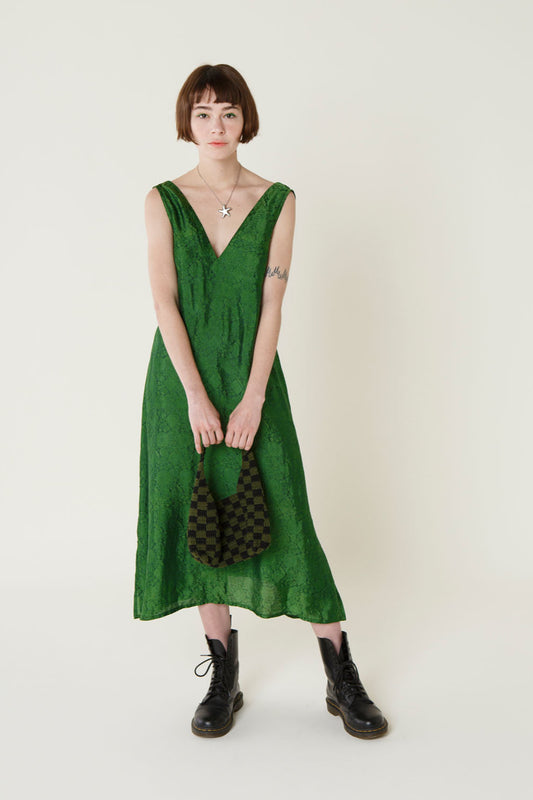
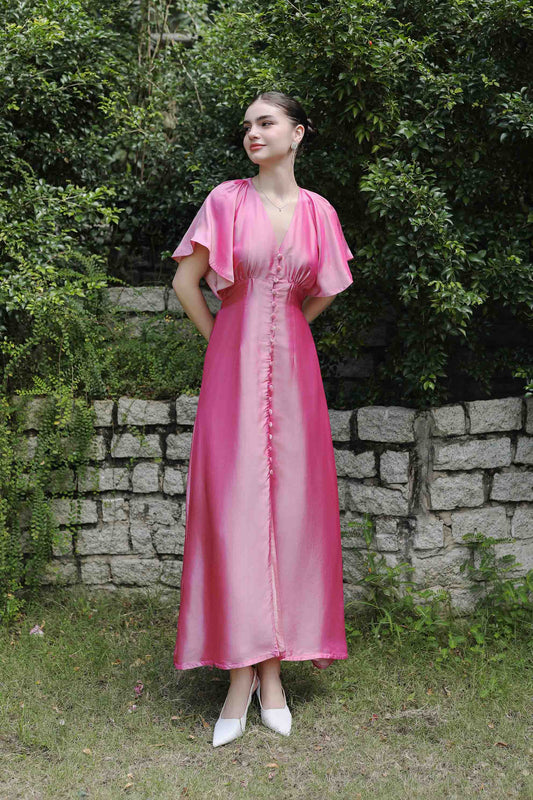
If you’re dressing for an evening out or a special occasion, nothing flows quite like charmeuse silk. With its liquid drape and luminous sheen, it adds movement and glamour — ideal for bias-cut dresses or soft tailoring.
Love earthy, organic textures? Tussah silk is slightly coarse, often undyed, and has a quiet, raw beauty. It works well for scarves, outerwear, and minimalist pieces with structure.
Pay Attention to Texture and Weight
Texture makes a big difference. Do you prefer something sleek and smooth, or slightly grainy and grounded?
-
Charmeuse and satin silk are ultra-smooth and glossy.
-
Crepe silk has a subtle texture — slightly pebbled but elegant.
-
Tussah and raw silks feel more organic and grounded, perfect for tactile lovers.
-
Linen-silk offers a crisp but breathable texture, with light structure.
Weight also matters. Lightweight silks (like 16–19 momme mulberry) are ideal for summer or layering. Medium weights (20–25 momme) are more durable for everyday garments and bedding. Heavier silk (26+ momme) feels more substantial and luxurious — often used for tailored dresses or jackets.
Your Environment Matters
Live in a hot, humid climate? Go for linen-silk or lightweight mulberry silk. These fabrics breathe well and help regulate body temperature naturally.
Colder climates? Heavier mulberry silk or silk crepe provides a bit more insulation without sacrificing elegance.
Traveling often? Silk crepe is more wrinkle-resistant than charmeuse or satin and easier to care for on the go.
Ease of Care: How Much Time Are You Willing to Invest?
Yes, silk is delicate — but some types are more forgiving than others.
-
Mulberry silk can be hand-washed (or even gently machine-washed with care).
-
Charmeuse and satin require more attention — dry cleaning is often safest.
-
Crepe silk and linen-silk blends are lower maintenance and great for everyday wear.
-
Tussah silk, being less processed, ages gracefully and doesn’t show wear as quickly.
If you're new to silk, start with washable types like crepe or mulberry. Once you fall in love, you’ll know when you’re ready for the more delicate charmeuse gowns.
Let Your Values Guide You
If you care about sustainability, Vietnamese and Cambodian raw silks, naturally dyed fabrics, and small-batch artisan production may be your best match. Look for brands that work with heritage villages or produce limited runs using ethical sourcing practices.
Many eco-conscious fashion houses now offer OEKO-TEX certified mulberry silk, peace silk (where the silkworm isn’t harmed), and naturally dyed options using plants like indigo, turmeric, or mặc nưa.
Choosing silk with values in mind means you’re supporting the survival of traditional craft and low-impact production methods.
The Silk That Stays With You
Ultimately, the right silk is the one you’ll reach for again and again — not because it’s the most expensive, but because it makes you feel like yourself. When it moves the way you move, breathes the way you breathe, and softens with time without losing meaning, you’ve found your match.