Earth Day 2026: “Our Power, Our Planet” and what that means for the way you dress

Every year on April 22nd, Earth Day invites us to pause and reflect on the choices we make, not just as individuals, but as a collective. In the world of fashion, this feels more urgent than ever. The talk is getting louder, and the questions are sharper: What are our clothes made of? Who made them? What happens to them when we are done?

The fashion industry is not peripheral to the climate crisis. It produces 100 billion garments a year. About 87% of them, 40 million tons, end up in a landfill or an incinerator. Only 1% of all discarded clothing is actually recycled. These numbers are not abstract. Only 1% of discarded clothing is recycled. These numbers are real. They come from millions of daily choices by brands, by suppliers, and by the people who choose what to wear.
At gammeCOLLECTIVE, Earth Day is not a campaign of the moment. It is the reflection of something we think about every single day. These values have shaped every decision we have made since the very beginning.
A Story We Know From the Inside
We are a group of Vietnamese designers focused on promoting artisanal products, cultural diversity, and slow fashion. Beyond our collections, it is our intention for gammeCOLLECTIVE to be a space where communities can be inspired through creativity, craftsmanship, and a shared belief that fashion can be made differently.
Vietnam sits where two opposite truths about fashion meet. On one hand, it is home to some of the oldest and most refined natural silk weaving traditions in the world. Villages outside Hanoi where mulberry silk has been hand-woven for over a thousand years. This craft is not just a heritage project but a living practice passed from generation to generation. On the other, it is one of the largest garment manufacturing hubs for fast-fashion around the world.

We have observed that industry not from a distance, but from within.
That experience is precisely what shaped gammeCOLLECTIVE's founding values. We chose slow fashion because we had seen the alternative up close. We saw fabric waste accumulating, overproduction running unchecked, and deadstock piling up in factory warehouses. When enough people make careful choices, each day and at scale, they can reshape what industries produce for profit. In fashion, that power starts with what you decide to buy, how long you keep it, and who you choose to buy it from.
What Does "Our Power" Actually Mean in Fashion?
The phrase "sustainable fashion" has been stretched so thin in recent years that it risks meaning very little. A recycled-material collection released once a year. A "conscious line" tucked into an otherwise unchanged catalog. A green label with no independent verification. These gestures matter less than the choices embedded into a brand's everyday practices.
Dressing responsibly is not about perfection. No production process is entirely without impact, and we believe in being honest about that. It is, however, about a consistent and considered orientation toward materials that last, processes that respect people, and designs that transcend the seasonal churn of trends.
When EarthDay.org says "our power", they mean something specific. Consumers have the power to change the trajectory of fast fashion. Every purchase supports a production model. Every choice to buy quality over quantity sends a signal to the market about what demand looks like. The sustainable fashion market does not grow from regulation alone. It grows when enough people make deliberate choices. Those choices reshape what brands can profitably produce.
Your wardrobe is not just a reflection of your taste. It is the power you hold to reshape the fashion industry.
Four Ways to Use Your Power in Fashion. Right Now
1. Choose materials that work with the planet, not against it
Natural materials such as organic cotton, linen, hemp, and above all natural silk are among the most impactful choices available. Natural mulberry silk, in particular, is biodegradable, produced through centuries-old sericulture practices without synthetic pesticides, and extraordinarily durable when cared for properly. Synthetic polyester, by contrast, sheds microplastics with every wash, and textiles account for an estimated 35% of microplastic pollution in the world's oceans.

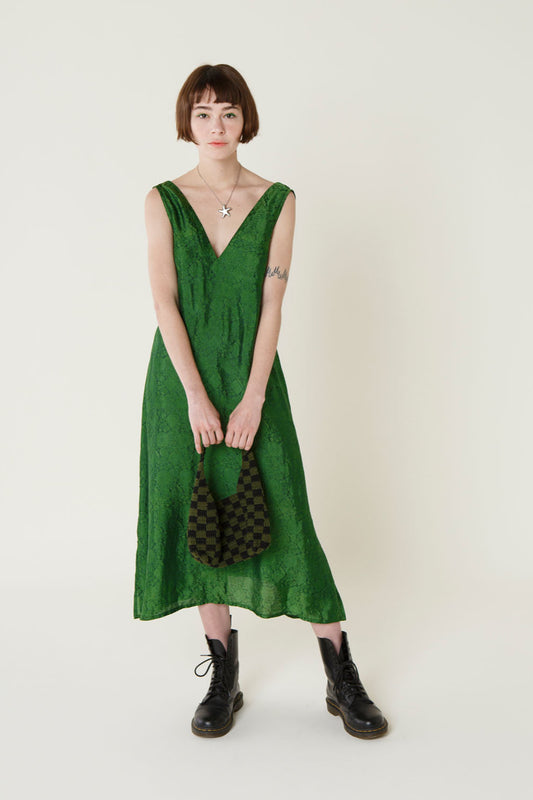
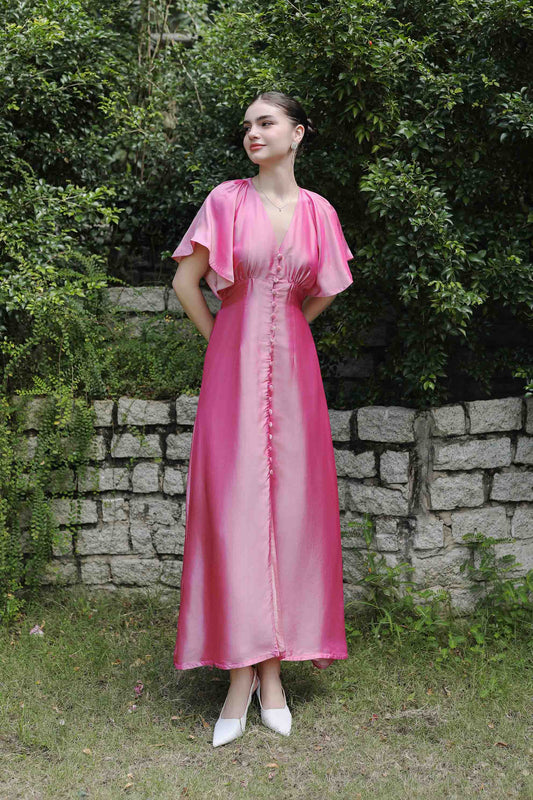
The material you choose is the most direct form of power you have over the fashion industry's environmental footprint. It is also where gammeCOLLECTIVE's commitment begins: our Vietnamese silk is sourced from artisan villages near Hanoi. It is woven using techniques refined over a thousand years.
2. How to Make Ethical Fashion Choices: Ask Who Made It
Researching brands to identify those that genuinely practice transparency is not a niche concern. It is one of the most effective levers consumers hold when making ethical fashion choices. At gammeCOLLECTIVE, all of our partner designers, including Trịnh Fashion and MONIQ Studio, are selected after we have visited their studios and researched their manufacturing processes in person.
We also use deadstock fabrics recovered from the surplus of large factories, materials that would otherwise be destroyed, giving them a second life in our pieces. When a brand cannot tell you where its fabric comes from, that silence is itself an answer.
3. Buy less, but make it last
The true environmental cost of a garment is not its price tag. It is its cost per wear. The average person today buys 60% more items of clothing than they did 15 years ago, yet keeps each piece for only half as long. The average garment may be worn as few as ten times before disposal.
The most powerful act in sustainable fashion is not finding the right eco-label. It is changing how you use what you already own. Wear pieces longer, care for them well, and choose designs made to last. Pick styles that outlast trends, not ones that chase them. A well-made mulberry silk dress worn fifty times over ten years carries a fundamentally different environmental cost than a fast fashion piece worn five. Longevity is one of the most underrated parts of eco-responsible fashion. It begins with quality of construction and timelessness of design, both of which are principles at the core of how gammeCOLLECTIVE creates.

4. Support the brands whose model you want to see grow
Small, independent brands built on ethical production models can only survive and scale if enough people actively choose them. Supporting slow fashion is not charity. It is a market signal. Every purchase from a brand with genuine supply chain transparency is a vote for a different version of the industry.
When individuals act, communities form. When communities speak up, leaders listen. The same logic applies in fashion, and it is why the choices of everyday consumers carry more weight than is often acknowledged.
This Is Not a Perfect Story
We will not claim to be a zero-impact brand. No production model is entirely without cost.
What we can say is this: Every choice we have made has been guided by the same values we had at the start. This includes our materials, our manufacturing partners, and the way we design. The materials, the scale of production, the partnership model, and the design philosophy all follow one question. Does this choice support a model that can last?
This Earth Day, we invite you to reflect not on what to consume, but on how to choose. Slow fashion is not about buying less for its own sake. It is about buying with awareness, and investing in pieces that carry meaning beyond the moment of purchase.
Our Power. Our Planet. Our Wardrobe.
Earth Day 2026 reminds us that the power to shape fashion is not only with governments or corporations. It sits in the daily choices of millions of people deciding what to wear, what to buy, and which version of the industry they want to invest in.
The Vietnamese silk villages around Hanoi have been weaving the same fibres for over a thousand years. They are still there, not because of regulation, but because enough people, over enough generations, found genuine value in what they made and chose to keep it alive.
That is what "Our Power, Our Planet" looks like in fashion: quiet, consistent, cumulative, and entirely in your hands.
Share Your Thoughts
What does dressing responsibly mean to you? Have you made changes to the way you approach fashion, and what difference have they made?